


 English
 русский
 عربى
عربى 中文简体
中文简体Packed Absorption Tower: Working Principle, Packing Media and Material Selection
Главная / НОВОСТИ / Новости отрасли / Packed Absorption Tower: Working Principle, Packing Media and Material Selection

Контент
Across chemical, pharmaceutical, electroplating, and battery-processing plants, the packed absorption tower is the standard tool for removing acid and alkali gases from industrial exhaust streams. It holds that position because it creates a large gas-liquid interface in a compact vertical vessel, with predictable pressure drop and comparatively low maintenance demand. The practical conclusion for a plant engineer is direct: specify the packing, the shell material, and the absorbent chemistry correctly, and a packed tower can hold outlet concentrations within regulatory limits for years with very little day-to-day attention. Get those three decisions wrong, and no amount of pump recirculation or blower capacity will fix the result.
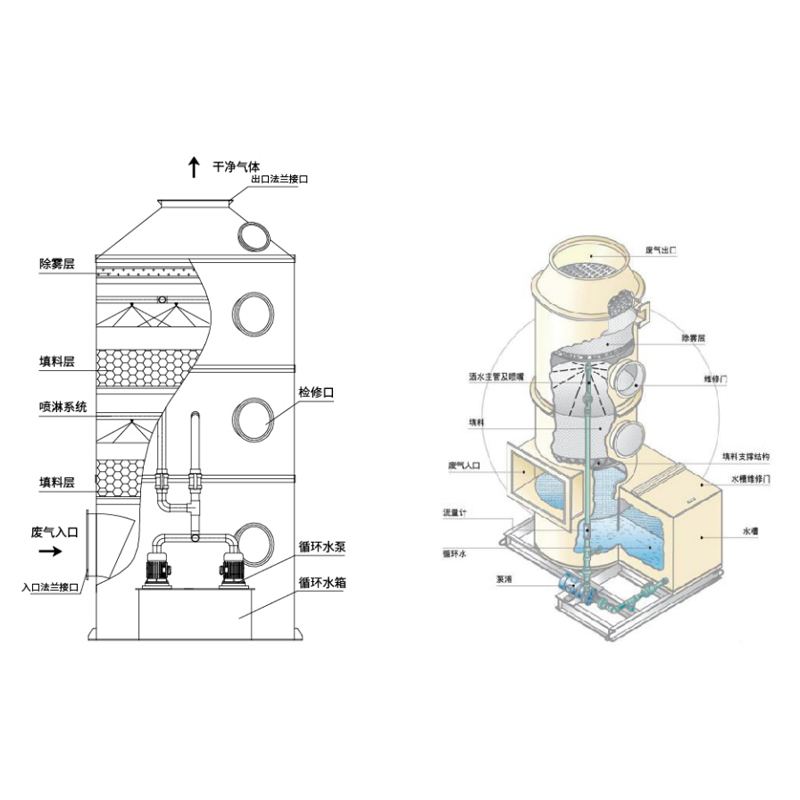
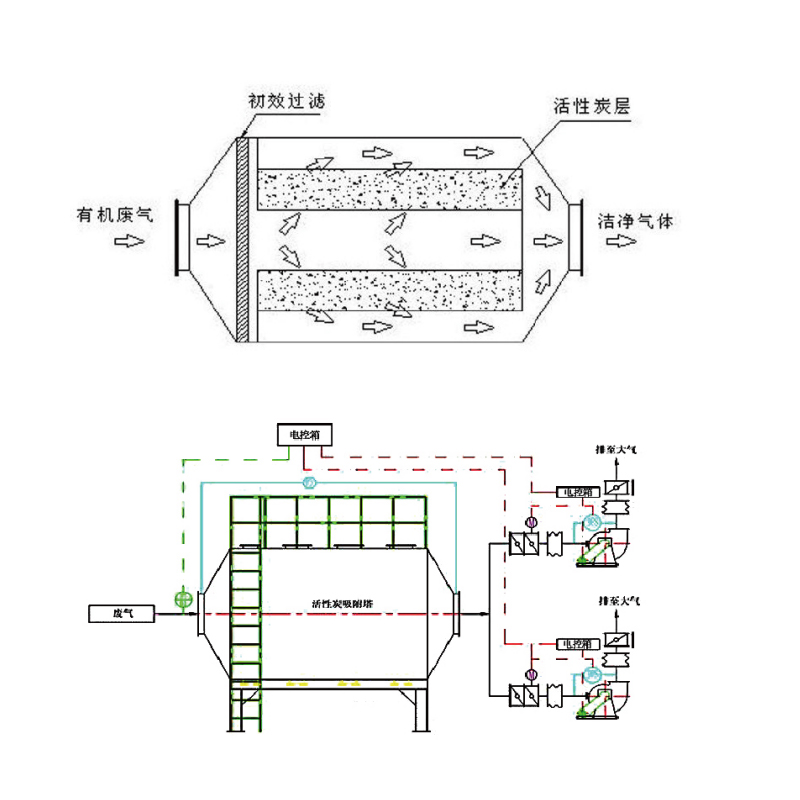
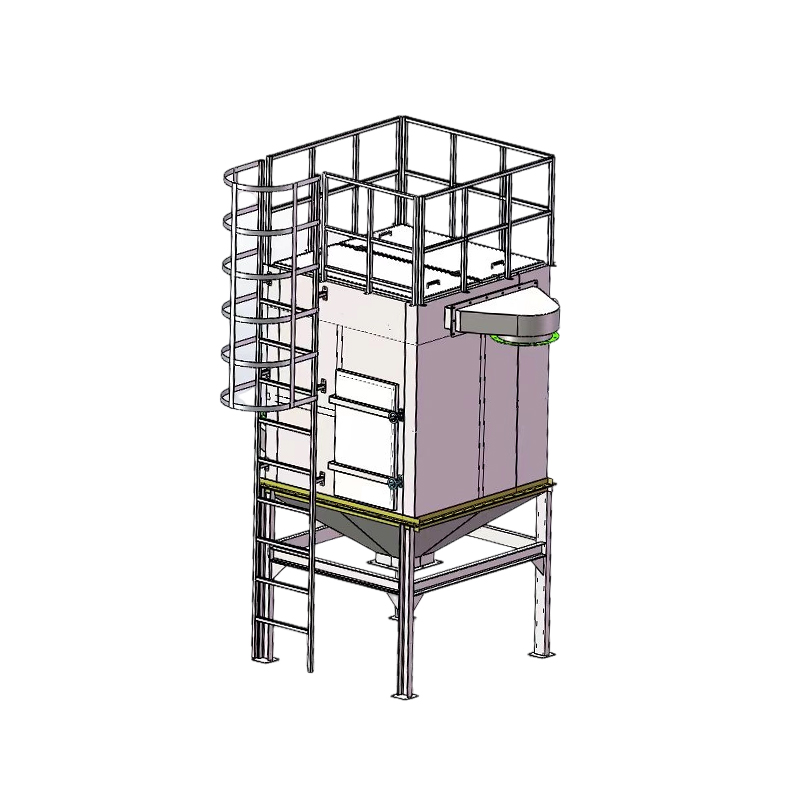
A packed absorption tower is a vertical vessel filled with packing material. Liquid absorbent is distributed evenly across the top of the packing and flows downward by gravity, while contaminated gas enters near the bottom and rises upward through the void spaces. At the wetted surface of the packing, the target pollutant transfers from the gas phase into the liquid phase, and cleaned gas leaves through a mist eliminator at the top.
This countercurrent arrangement is the core of the design. Because rising gas meets fresher absorbent at progressively higher levels, the concentration driving force stays strong across the full height of the column, which keeps the required packing bed shorter than a co-current arrangement would demand. The tower thus performs two functions at once: it generates the interfacial area needed for mass transfer, and it provides the residence time needed for the absorption reaction to approach equilibrium.
The packing is where absorption actually occurs, so its geometry and material influence performance more than any other single component. Effective packing offers high specific surface area per unit volume, a high void fraction to limit pressure drop, and enough mechanical strength to support the bed and resist fouling.
Random packing elements such as Pall rings, Raschig rings, and saddle shapes are dumped into the column to form an irregular but uniform bed. They are inexpensive, quick to install, and well suited to towers up to roughly one meter in diameter. For acid-alkali scrubbing, polypropylene random packing is the usual choice because it resists corrosion, weighs little, and costs far less than ceramic or metal media.
Structured packing is built from corrugated sheets assembled into blocks with a regular, ordered flow path. It produces lower pressure drop per theoretical stage and higher efficiency in large-diameter towers, but it costs more and is more sensitive to fouling and solids. On clean gas streams with high flow rates, the energy saved at the blower often justifies the additional investment.
Material selection begins with the chemical identity of the pollutant and the absorbent. A hydrochloric acid stream neutralized with caustic soda behaves very differently from an ammonia stream absorbed into dilute sulfuric acid. The shell, internals, piping, and pump must all survive the combination of process temperature, reagent concentration, and any chlorides or sulfates present.
| Material | Typical service | Practical temperature limit | Best suited for |
|---|---|---|---|
| PP / PPH | Acids, alkalis, most inorganic reagents | 60–100 °C depending on grade | Chloride exhaust, plating, pickling |
| PVC | Acids and alkalis at lower temperatures | About 60 °C | Small scrubbers, duct-integrated units |
| FRP | Acids, alkalis, humid outdoor exposure | Up to about 99 °C with suitable resin | Large towers, high structural loads |
| 304 stainless steel | Mild acids, caustic solutions, organic vapors | Higher-temperature service | Food, pharmaceutical, non-chloride streams |
| 316L stainless steel | Chlorides, stronger reducing acids | Higher-temperature service | Marine and aggressive chloride-rich chemistries |
For a chrome plating line emitting chloride-laden acid mist at elevated temperature, a 304 stainless steel packed tower provides the structural strength and cleanability that plastics cannot match. For a large sulfuric acid scrubber positioned outdoors, an FRP spray tower resists corrosion without the dead weight of metal. Where temperatures stay moderate and capital cost dominates, a welded PP spray tower remains the most economical choice for most acid-alkali duties. The question is not which material is best in general, but which one survives your reagent at your operating temperature while meeting structural and budget constraints.
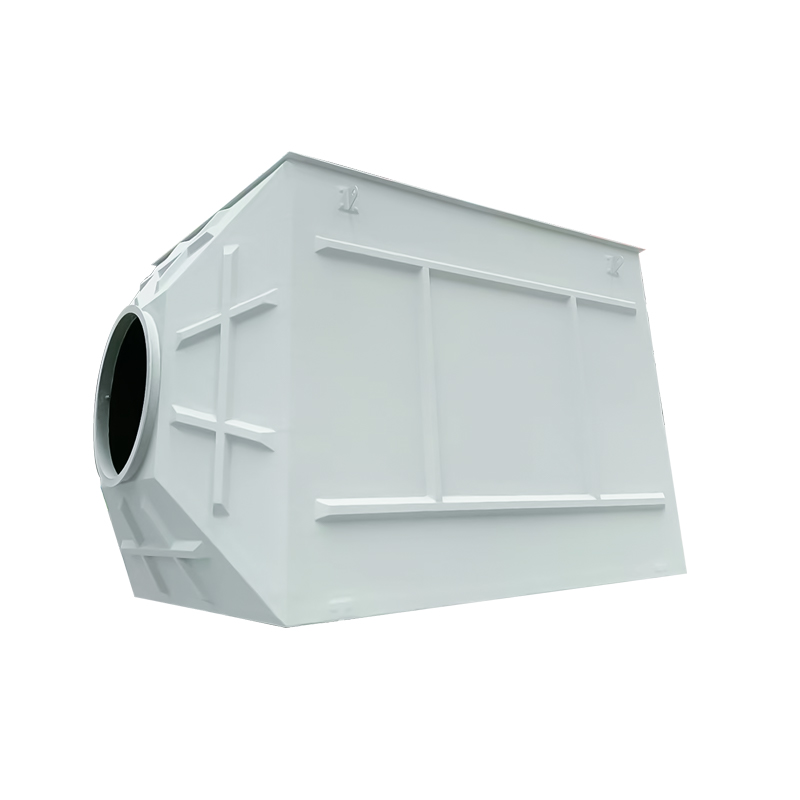
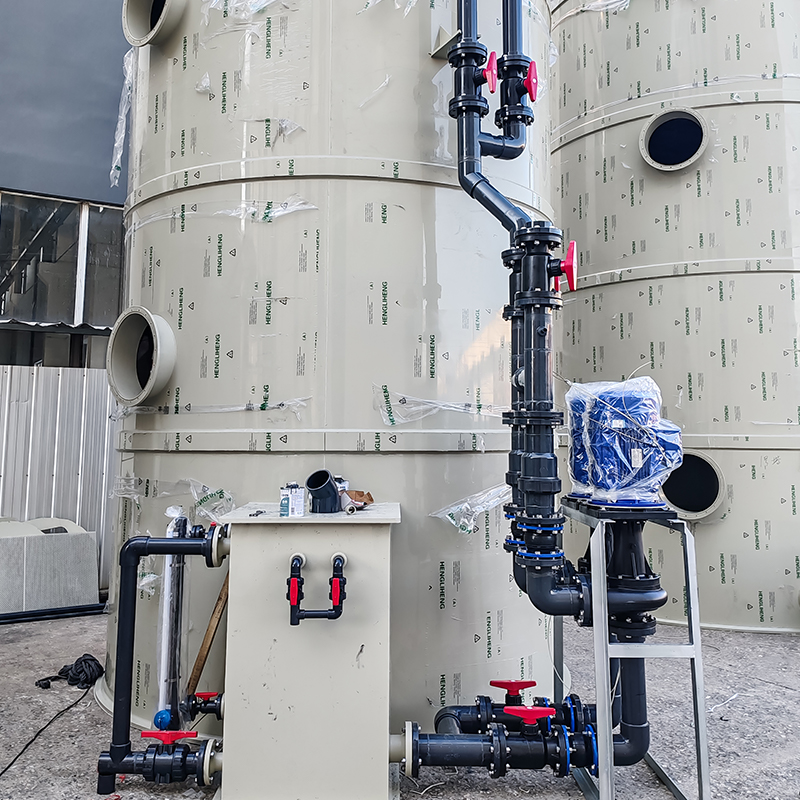 Wholesale PP spray tower Suppliers, Exporter, Company Hangzhou Lvran Environmental Protection Group Co., Ltd. Is China Wholesale PP spray tower Suppliers, Exporter, Company, A PP spray tower ... View Product →
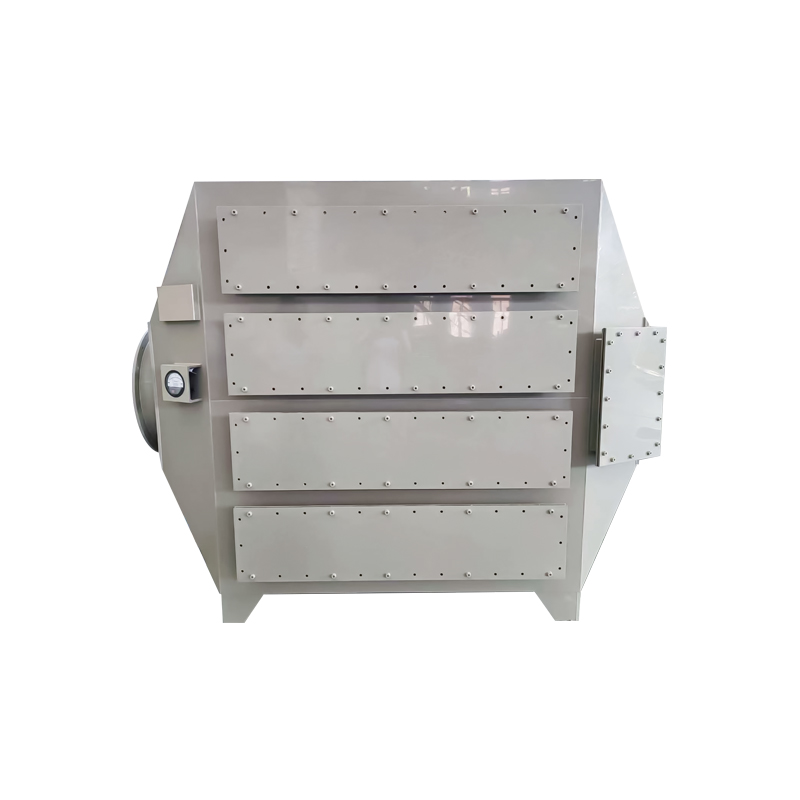
 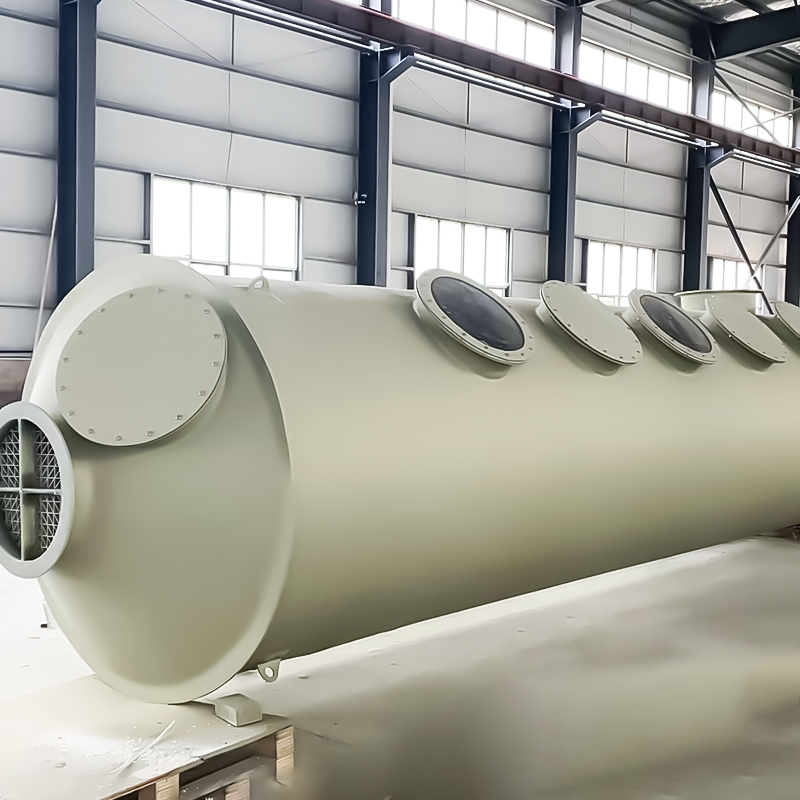 Wholesale FRP spray tower Suppliers, Exporter, Company Hangzhou Lvran Environmental Protection Group Co., Ltd. Is China Wholesale FRP spray tower Suppliers, Exporter, Company, The FRP spray to... View Product →
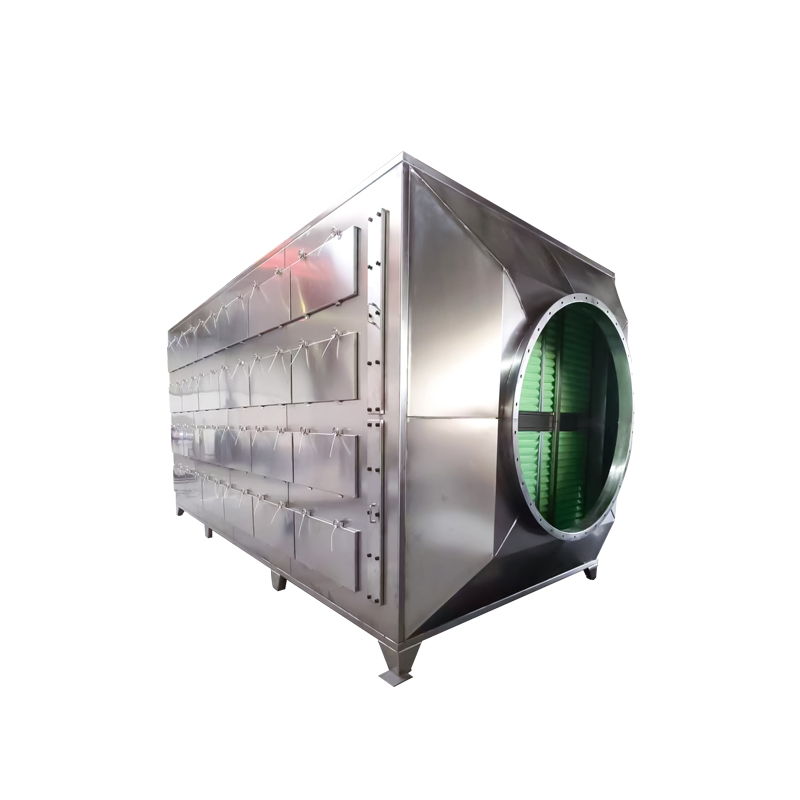
 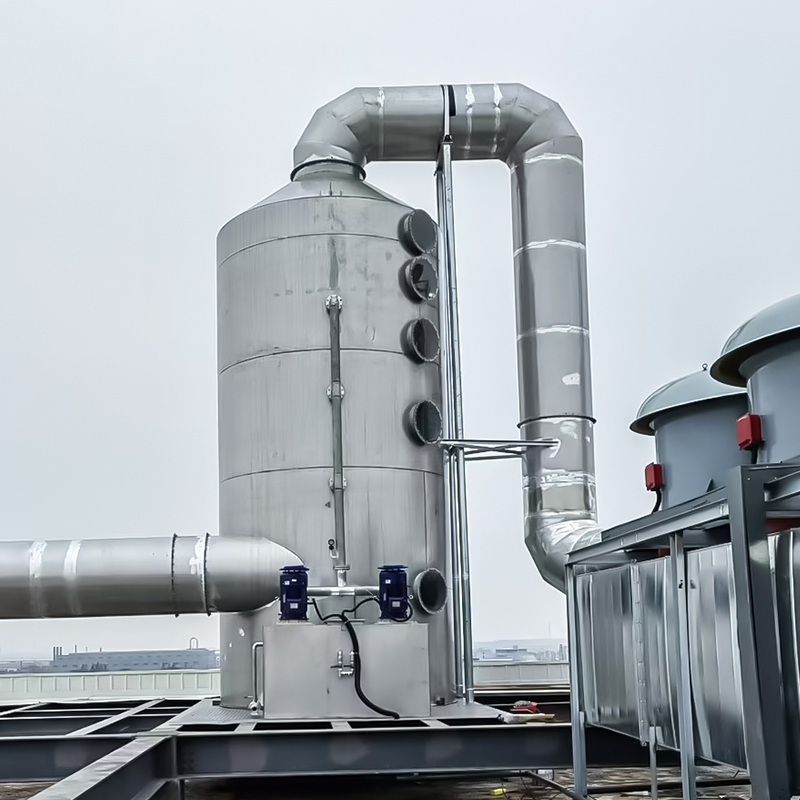 Wholesale 304 stainless steel spray tower Suppliers, Exporter, Company Hangzhou Lvran Environmental Protection Group Co., Ltd. Is China Wholesale 304 stainless steel spray tower Suppliers, Exporter, Company, ... View Product →
 Specifying a packed tower is a sizing exercise, not only a materials exercise. Gas flow rate, pollutant concentration, target removal efficiency, and available pressure all determine the tower diameter, packing depth, and liquid circulation rate. The conclusion most buyers reach after comparing quotes is that the cheapest vessel is rarely the cheapest system once blower power, reagent consumption, pump duty, and maintenance are counted in.
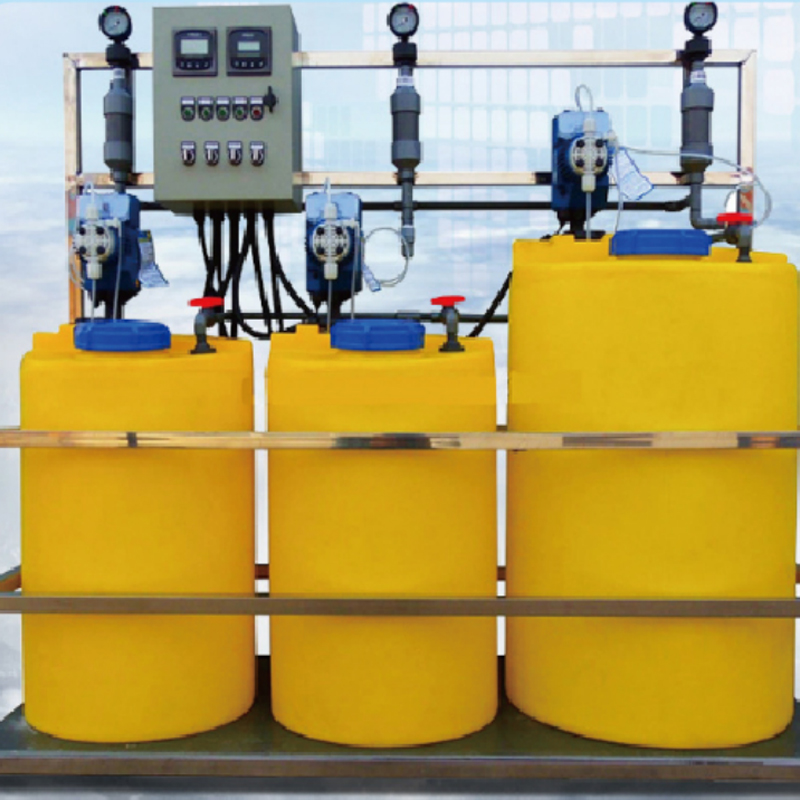
The liquid-to-gas ratio controls how much absorbent is presented to each cubic meter of gas. Too low a ratio starves the reaction and allows pollutant breakthrough; too high a ratio wastes pumping energy and risks flooding the packing. Stable performance depends on continuous dosing of caustic or acid to hold pH in the intended band, so the recirculation tank and dosing equipment deserve the same attention as the tower itself. Our guide to chemical scrubber selection walks through this sizing logic in more detail.
Each meter of packing adds resistance to the gas path, and the blower must overcome that resistance at design flow. An oversized blower wastes electricity and can cause flooding at turndown; an undersized blower limits the entire system. For random plastic packing, a pressure drop in the 50–100 mm H2O per meter range is a useful starting estimate, while structured packing and ceramic media change the figure substantially.
For a quick pre-budget assessment, an engineer should be able to answer five questions: what pollutant and concentration enter the tower, at what temperature and humidity, what removal efficiency the permit requires, how many operating hours per day, and what absorbent or by-product handling already exists on site. The answers move the design toward a specific shell material, packing type, and recirculation rate before the first drawing is made.
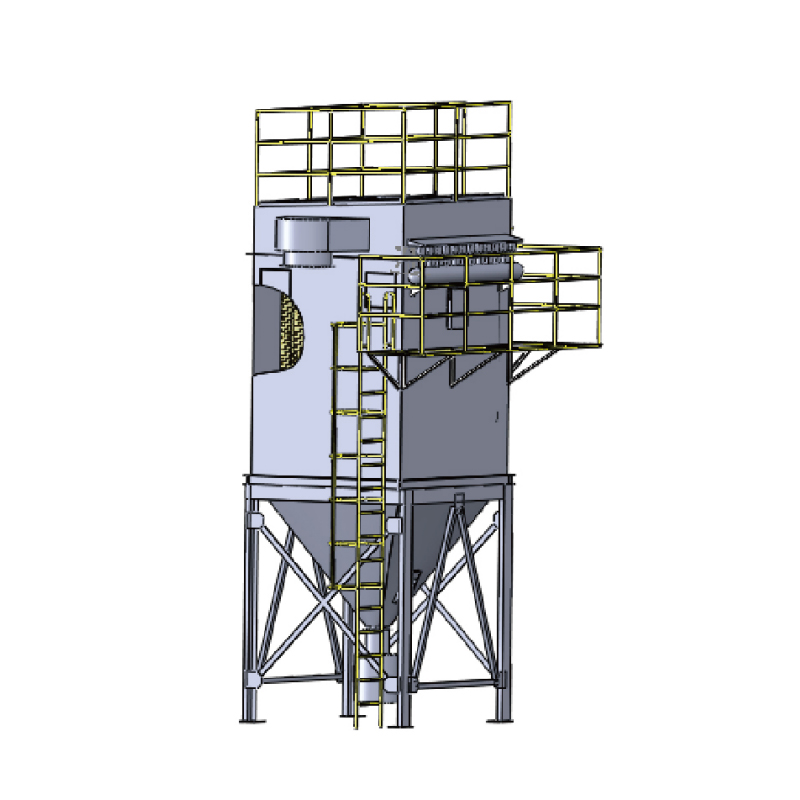
In practice, a packed tower rarely operates alone. When the exhaust also contains dust, organic vapors, or odor, absorption is usually the first cleaning stage, with a biological filter, activated carbon bed, or catalytic unit installed downstream. Removing hydrochloric acid, sulfuric acid mist, ammonia, or nitrogen oxides before the gas reaches adsorption media protects the downstream fill and extends its service life by a wide margin.
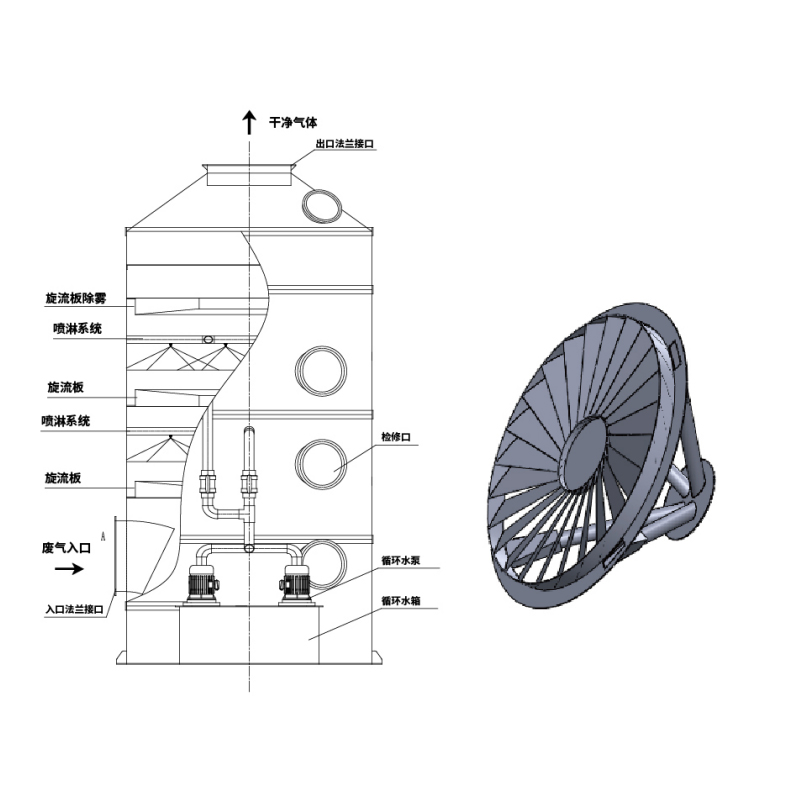
The tower's position in the process also dictates its auxiliary equipment. Chloride-laden exhaust frequently requires an FRP or plastic fan to prevent corrosion on the discharge side, and a high-efficiency mist eliminator becomes essential when the absorbent reaction forms a fine aerosol. Many installations pair the tower with the chemical scrubber configuration best suited to the specific acid gas present , then add a biological or adsorption stage for residual odor.
Industries that typically need this combination include metal finishing and plating shops, chemical and pharmaceutical producers, laboratories, hazardous-waste storage facilities, and battery-processing plants. In each case the packed tower addresses the acid or alkali fraction of the exhaust, while other technologies handle the remaining pollutant families.
A packed absorption tower performs well when four decisions are made correctly: packing geometry, shell material, liquid-to-gas ratio, and blower capacity. The most reliable way to get those decisions right is to give the manufacturer the gas composition, temperature, humidity, and required outlet concentration, and let the design be verified against factory testing and installation experience.
Hangzhou Lvran Environmental Protection Group operates as both an equipment manufacturer and a waste-gas treatment system service provider, covering design, fabrication, installation, and after-sales support. Its packed tower range includes 304 and 316L stainless steel, FRP, PP, PPH, and PVC versions, together with the anti-corrosion fans, ducting, automatic dosing systems, and tanks needed to complete the installation. If you need to determine whether a packed absorption tower fits your exhaust stream, contact our engineering team with your gas conditions and target emission limits .
Запрос на звонок сегодня